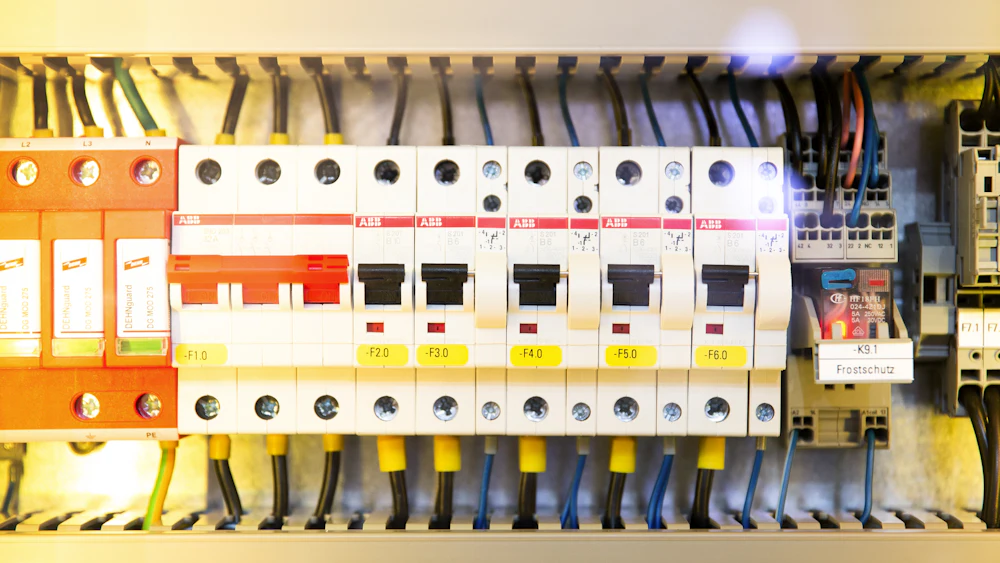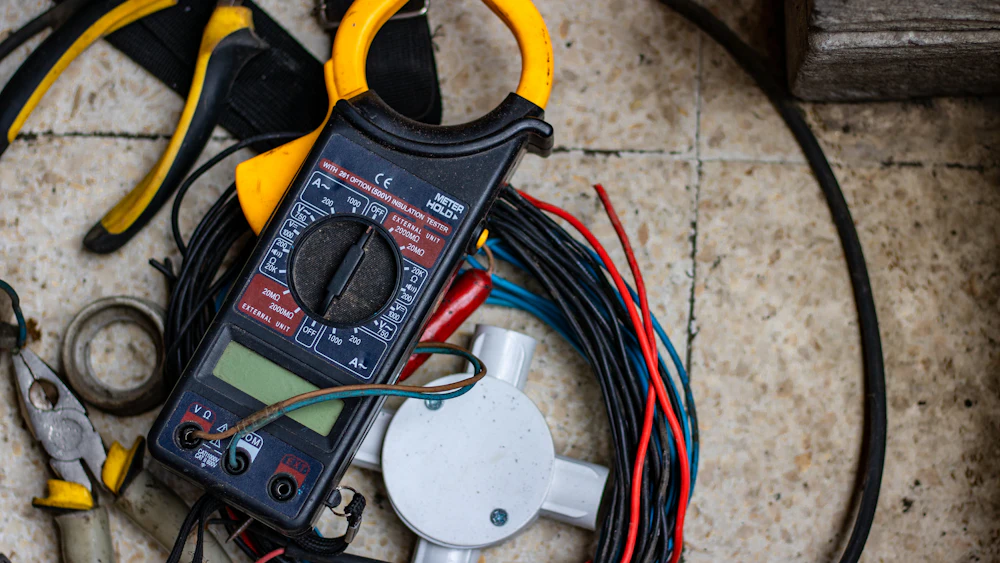
Often a technician can narrow the search using circuit information and appropriate instruments, but access and fault type determine whether opening a wall is necessary. No method can guarantee a precise location in every property before inspection.
Clues that help diagnosis
Tell the electrician if the problem began after drilling, renovation, plumbing work or moisture ingress. Identify affected rooms and any recent equipment additions. Old photographs of wiring routes may help, if available.
What happens during diagnosis
A qualified electrician secures the circuit and selects appropriate tests to distinguish wiring, connection and appliance issues. The findings guide further investigation; a concealed defect may require limited access to the wall or ceiling.
Agree the repair scope
Ask what evidence supports the proposed opening, who will restore finishes and whether these costs are included. Request suitable post-repair checks before the circuit is returned to use.
Can the precise fault location be guaranteed before a visit?
No. A description helps plan the first tests, but concealed wiring and limited access can prevent an immediate conclusion. Ask the technician to explain the findings before opening walls, and agree the cost and responsibility for restoring finishes. Request the appropriate post-repair checks.
References and further guidance
Need a hand with this?
Electrical Fault Finding & Repair — Diagnosing hidden faults: leakage, shorts, tripping, weak supply and overloads.