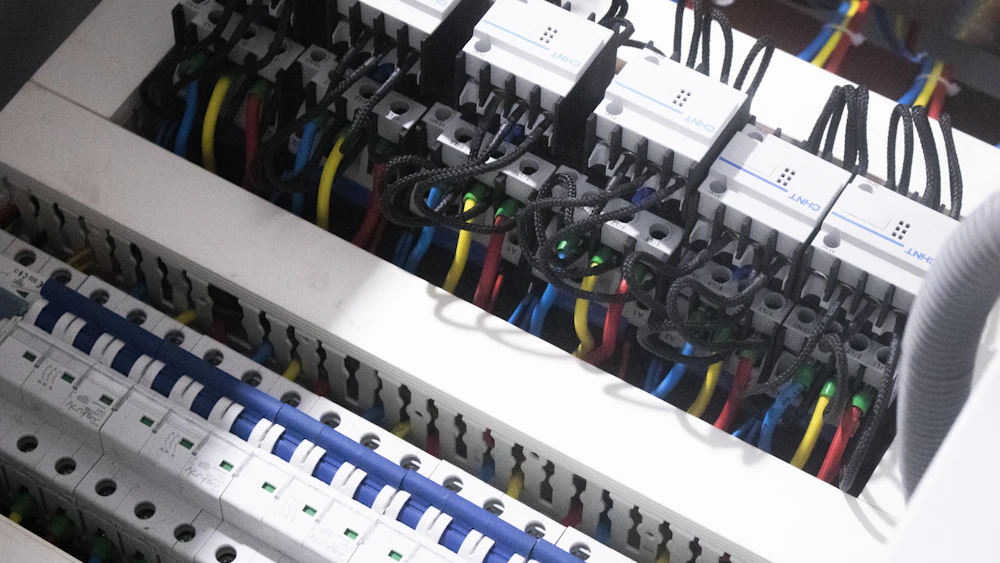
Protective earthing is part of the system that provides a path for fault current and supports protective disconnection. It helps reduce shock risk but cannot make every fault harmless. Earthing, bonding and residual-current protection have complementary roles.
A three-pin socket is not proof
An earth terminal on an outlet does not establish that the connection is intact. Do not open the socket or use your body to test whether equipment is safe. Stop using equipment that gives shocks and arrange qualified inspection.
What a professional assessment covers
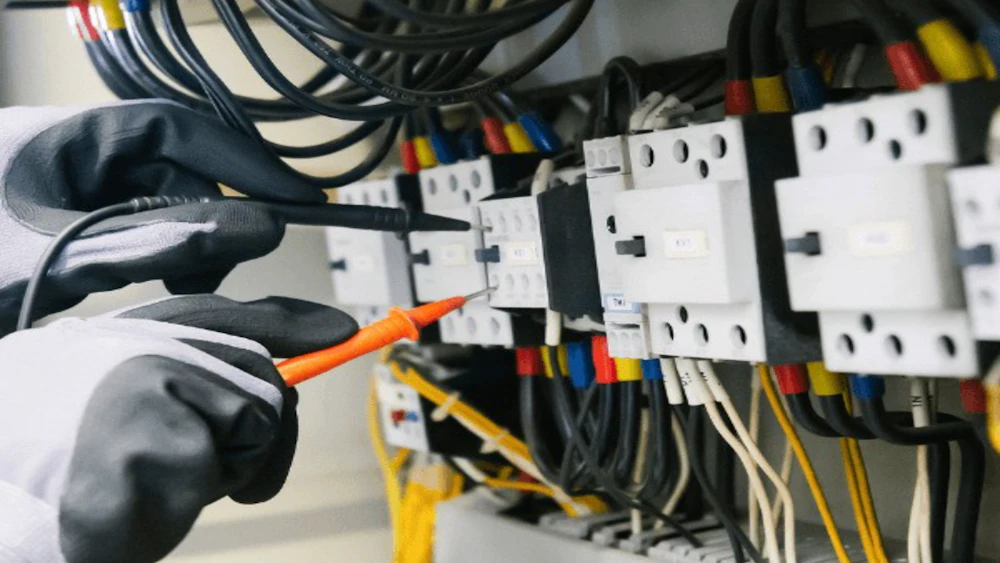
The appropriate tests depend on the supply and installation. Ask which circuits were tested, what results were recorded and whether inaccessible areas or additional work remain. Do not assume an earth rod alone will solve every problem.
When to ask for a check
Consider assessment when taking over an older property, after substantial wiring work or if protective devices behave unexpectedly. Any immediate shock or fire hazard requires urgent safety action.
Does an RCD replace protective earthing?
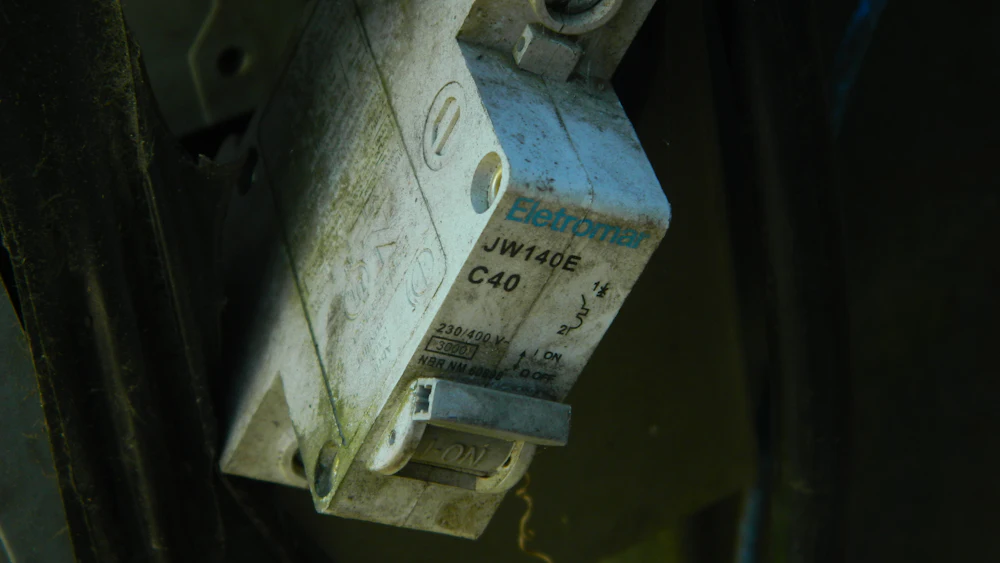
No. Each serves a role within the protective system and its suitability depends on the installation. Do not remove an earth connection or bypass a protective device to stop tripping. Ask a qualified electrician to assess the relevant protective measures and document the findings before recommending changes.
References and further guidance
Need a hand with this?
Electrical Safety Inspection & Earthing — Whole-property inspection, earthing measurement and surge protection.